Each procedure under general anesthesia is a great event in the life of the animal and its owner. Did you know that anesthesia is a multi-stage process that starts at home? It includes, among other things, following recommendations regarding fasting or administering...
Veterinary advice
Plastic surgery for dogs and cats
Plastic surgery isn't just for humans! On the contrary - it is a very dynamically developing field of veterinary medicine. Procedures such as BOAS, plastic surgery of nasolabial folds, eyelid plastic surgery (entropion and ectropion correction), and skin transplants...
Early symptoms of diseases in rabbits and rodents
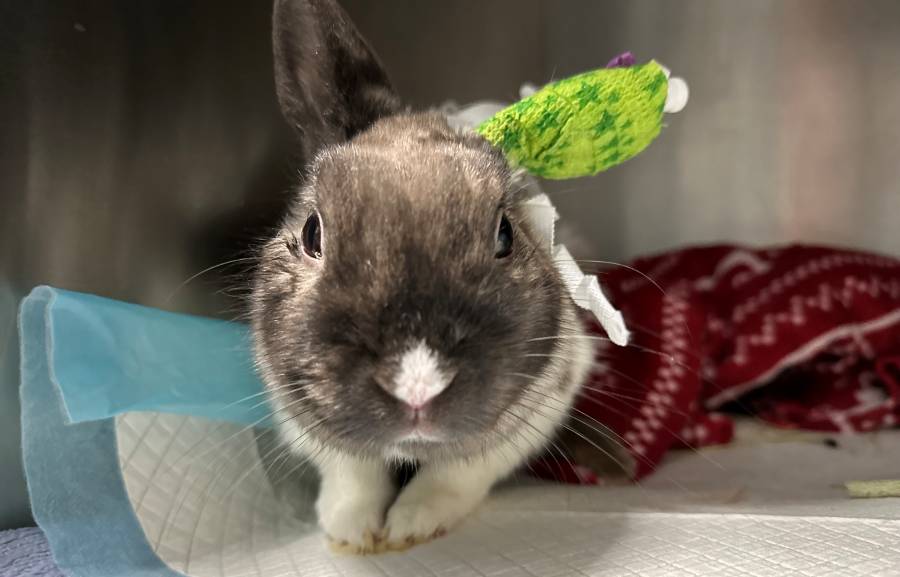
Rabbits and rodents are extremely delicate, sensitive and susceptible to diseases. In them, even seemingly trivial symptoms can quickly turn into a life-threatening condition. Interestingly, they have an innate ability to mask pain and symptoms of the disease in its...
Postoperative care – what you should be aware of
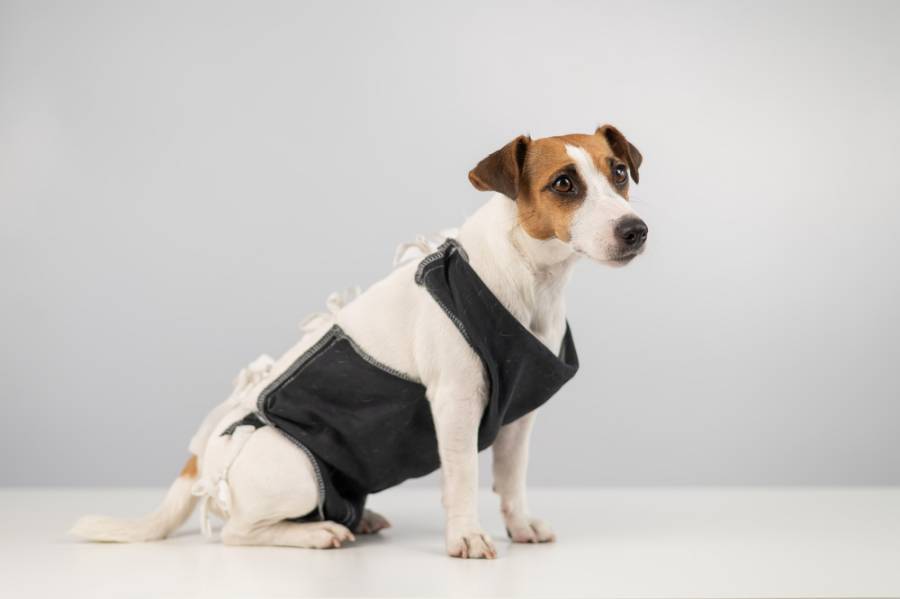
Post-operative care is a common cause of anxiety and concern for pet owners. Indeed, dogs and cats after surgery require special care. What should you prepare for? • difficult first few hours - to provide the animal with an adequate level of anesthesia and analgesia...
Mutation of the MDR-1 gene
In veterinary practice, situations sometimes arise in which an animal reacts incorrectly to a drug administered by a veterinarian Did you know that there is a group of breeds that are particularly susceptible to this? MDR-1 is the so-called gene of multi-drug...
Thermal comfort during transportation
Are you cold? We bet you do! Remember that the same applies to your pets. The sicker and the smaller the animal is, the more difficult it is for it to maintain a proper body temperature. On the way to the clinic or during any other journey in low temperatures, it is...